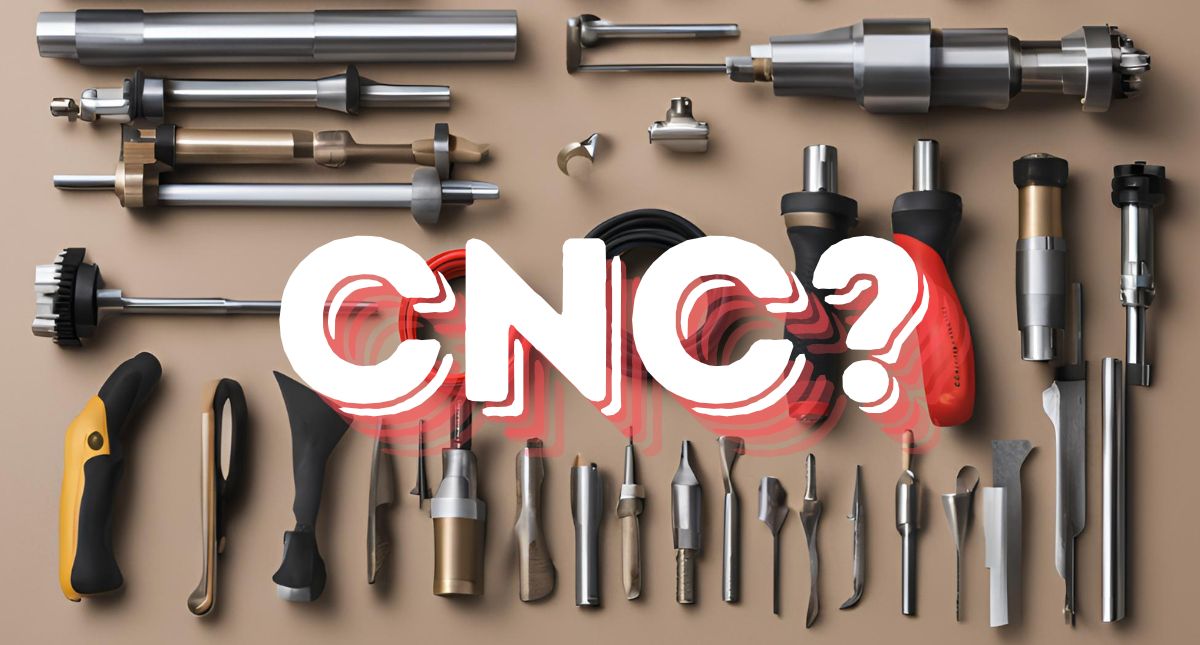
CNC Tools and Accessories
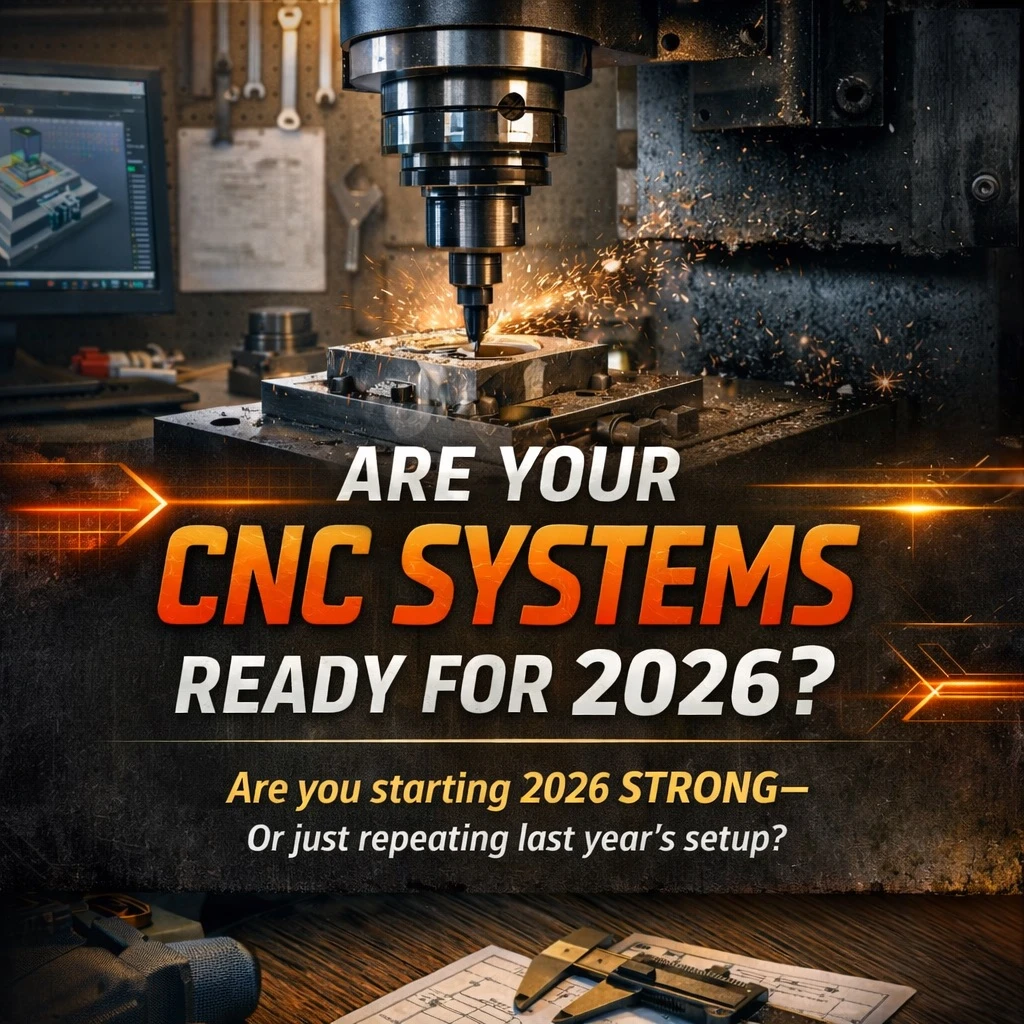
CNC machining is a versatile manufacturing process that can be used to create a wide variety of parts. The success of any CNC machining project depends on the selection of the right tools and accessories.
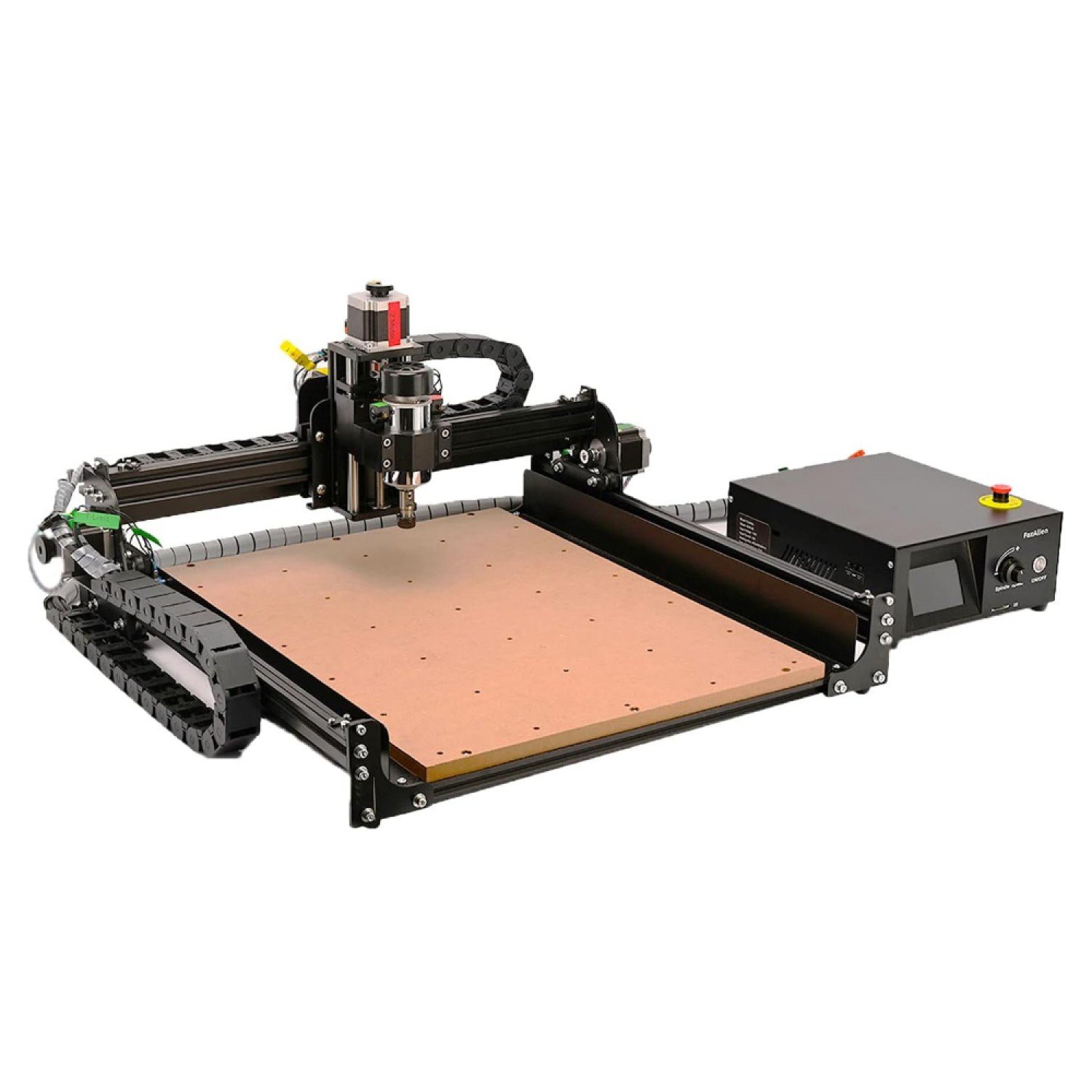
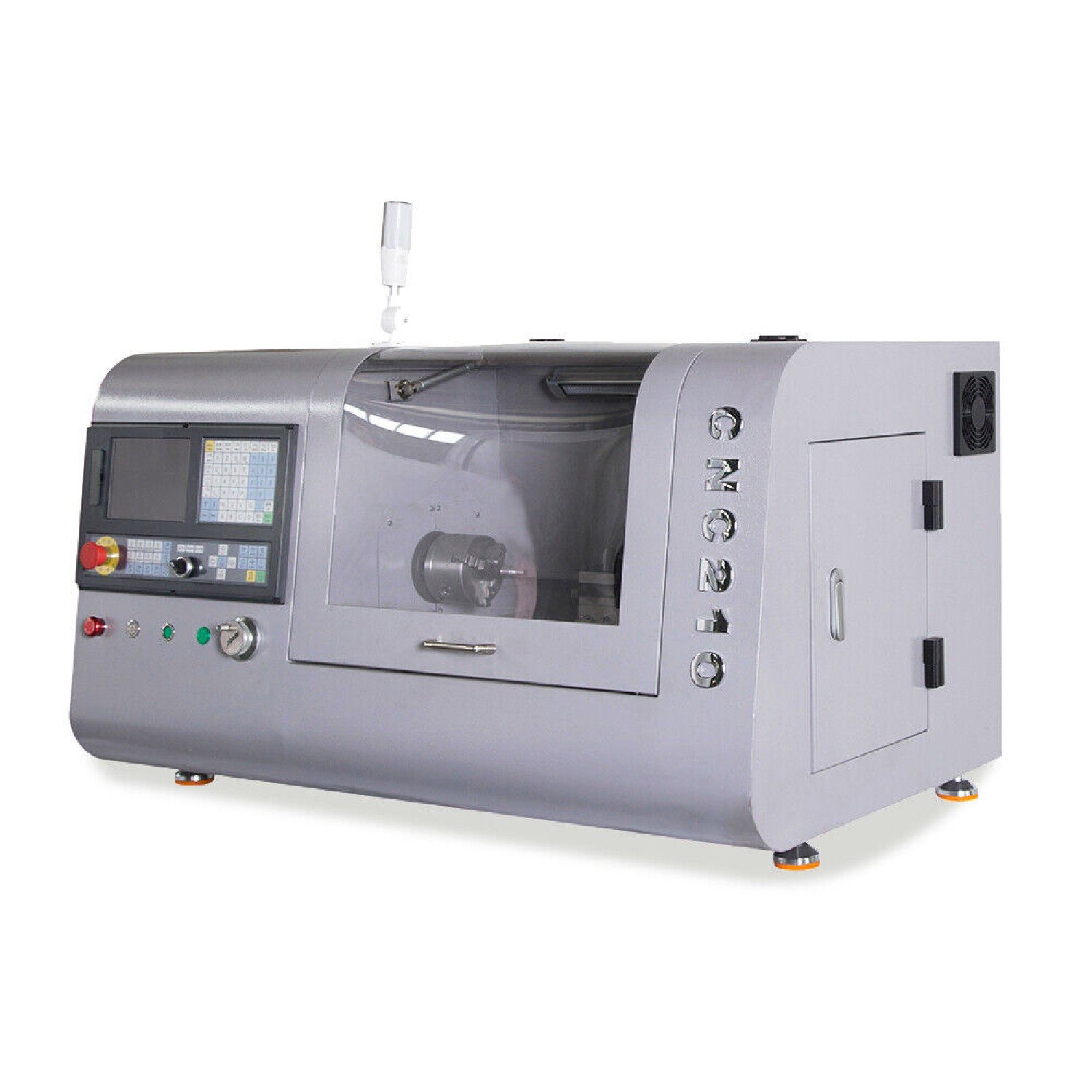
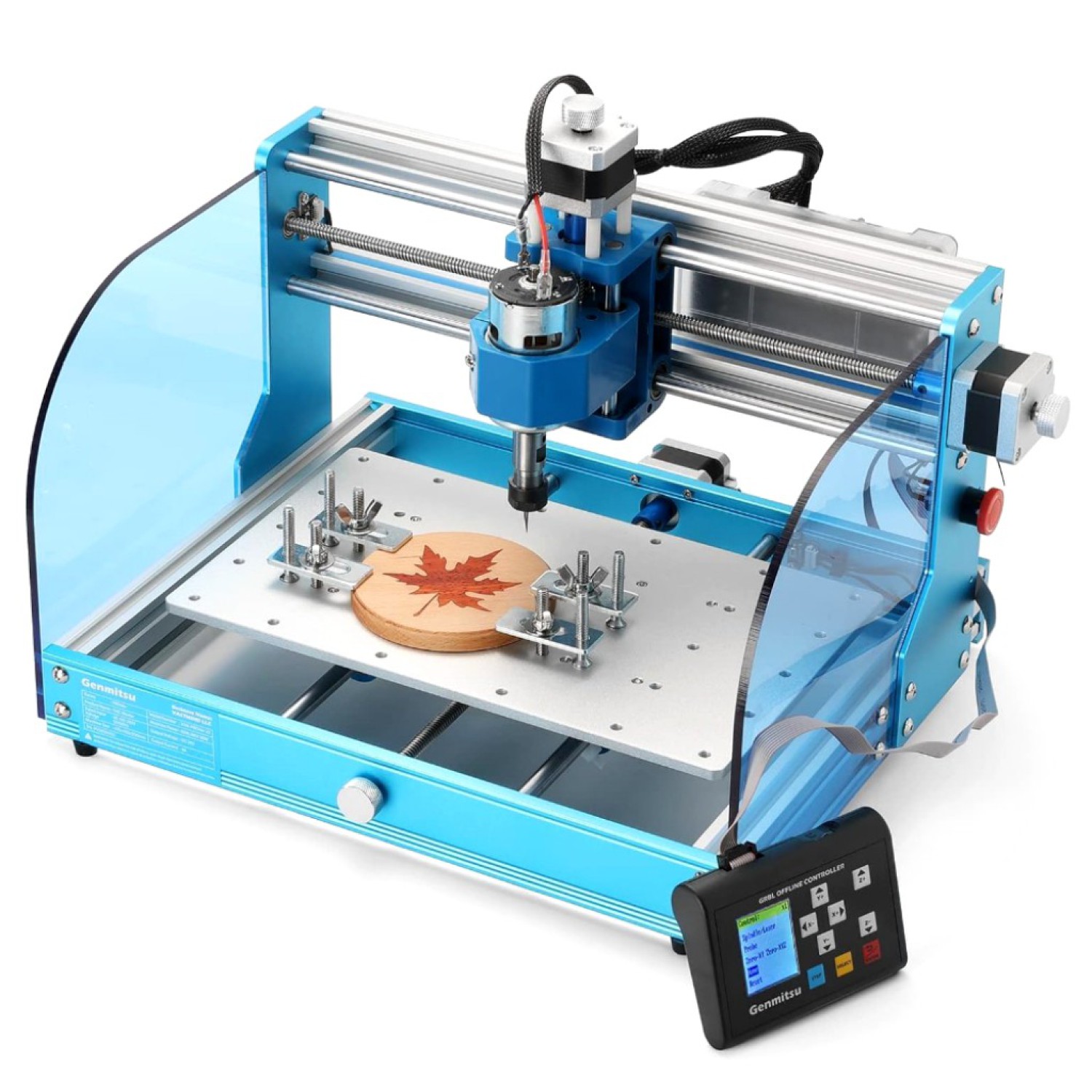
In this article, we will explore the different types of tools and accessories used in CNC machining. We will discuss the essential tools, such as end mills, drills, and inserts, as well as various workholding devices and toolholders. We will also provide tips for selecting the right tools and accessories for specific machining tasks. Unfortunately, we are not going to talk about CNC machines, but still you can browse along a wide selection hitting this link.
Essential CNC Tools
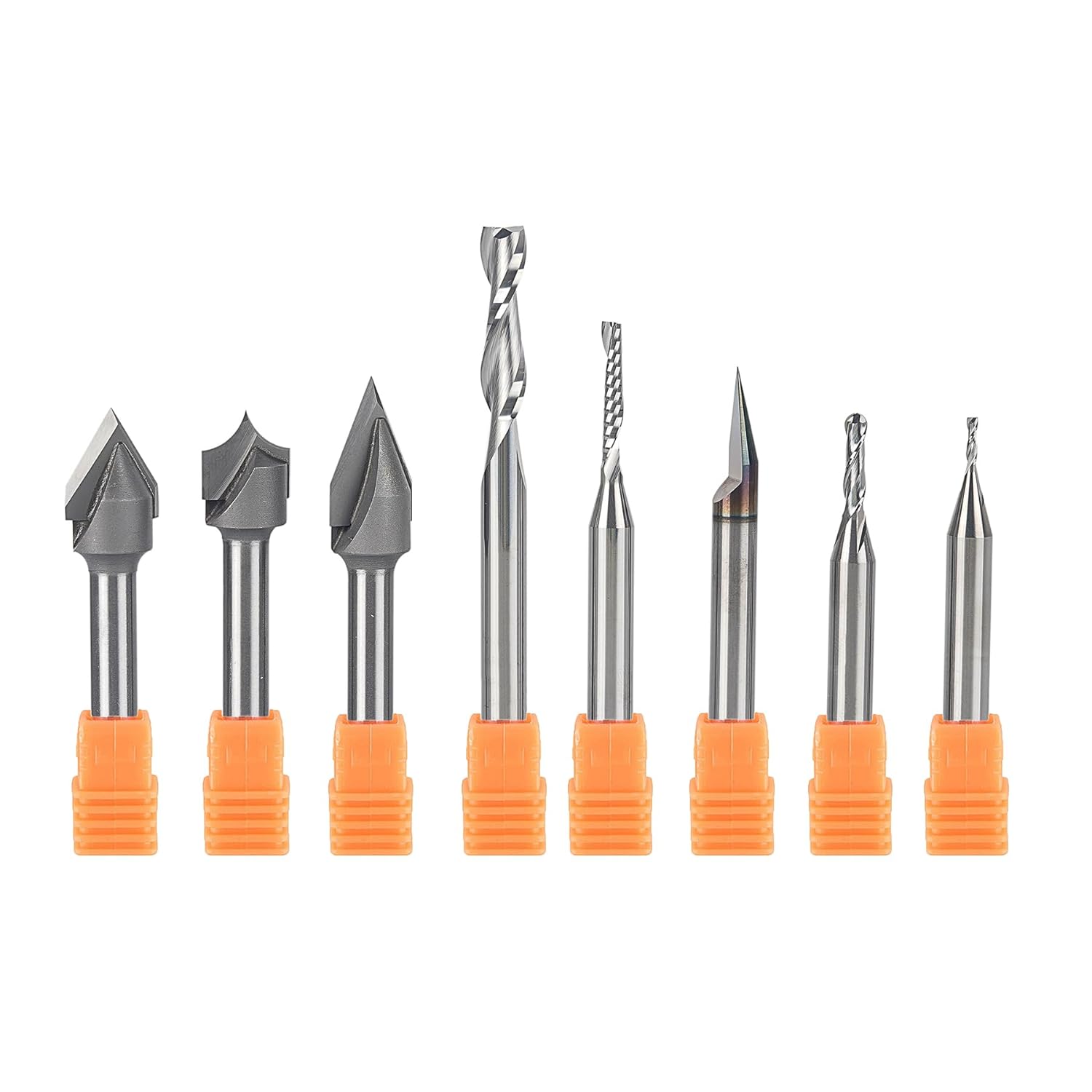
The most essential tools in CNC machining are end mills, drills, and inserts.
- End mills are the most versatile tools used in CNC machining. They can be used to cut a variety of shapes, including slots, holes, and profiles. End mills are available in a wide range of sizes and materials, so they can be used for a variety of applications.
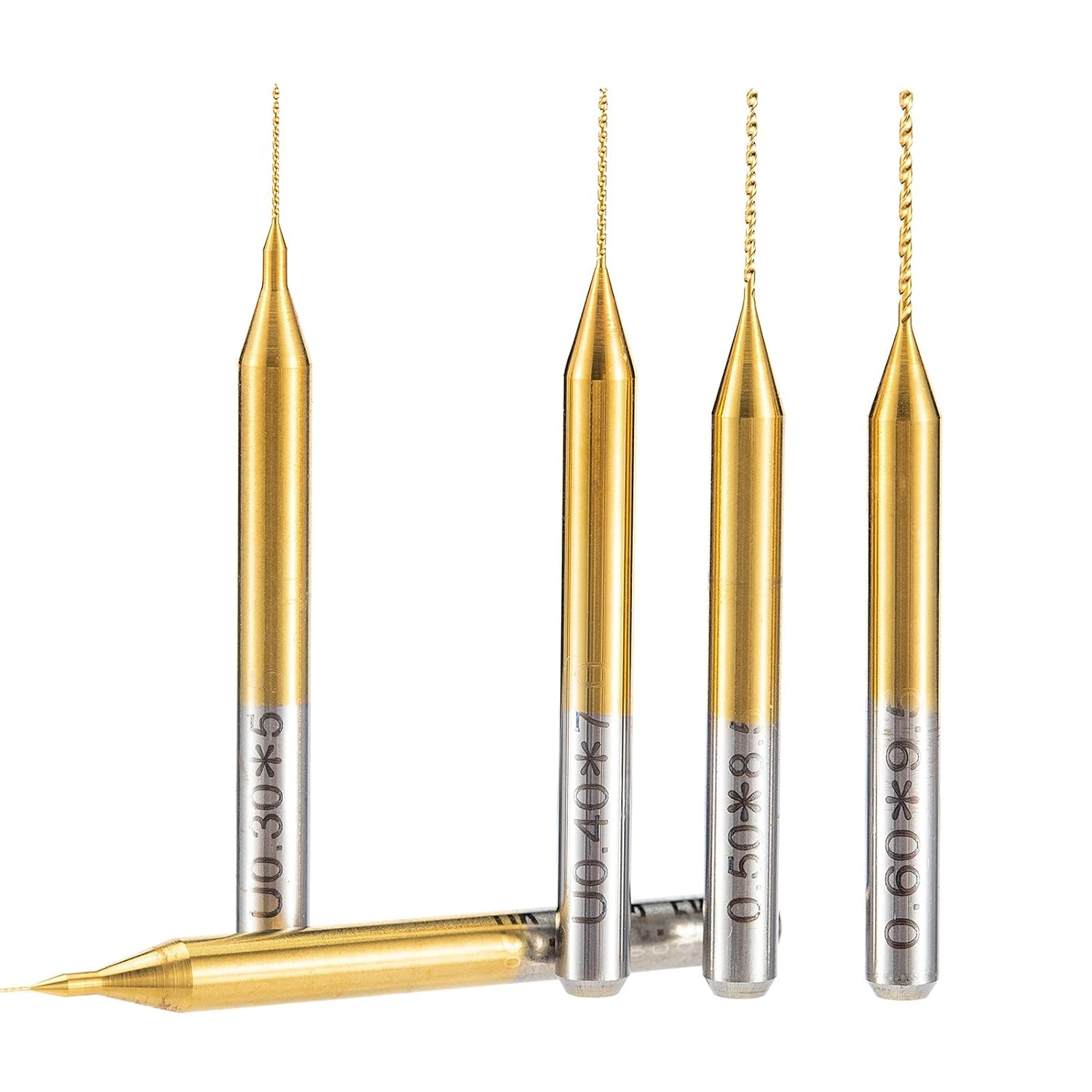
- Drills are used to create holes in CNC machining. Drills are available in a variety of sizes and materials, and they can be used to drill a variety of hole types, including blind holes, through holes, and counterbored holes.
- Inserts are used to cut a variety of shapes in CNC machining. Inserts are mounted in toolholders, and they can be quickly and easily changed to accommodate different cutting tasks. Inserts are available in a wide range of materials, so they can be used for a variety of applications.
Other CNC Tools
In addition to end mills, drills, and inserts, there are a number of other tools that are commonly used in CNC machining. These include:
- Carbide tipped tools are more wear-resistant than steel tools, and they can be used for more demanding machining applications.
- Milling cutters are used to create complex shapes in CNC machining. check Fractory website.
- Saw blades are used to cut slots and grooves in CNC machining.
- Taps are used to create threaded holes in CNC machining.
Workholding Devices
In CNC machining, the workpiece must be securely held in place in order to ensure accurate and repeatable results. Workholding devices are used to hold the workpiece in place during machining.
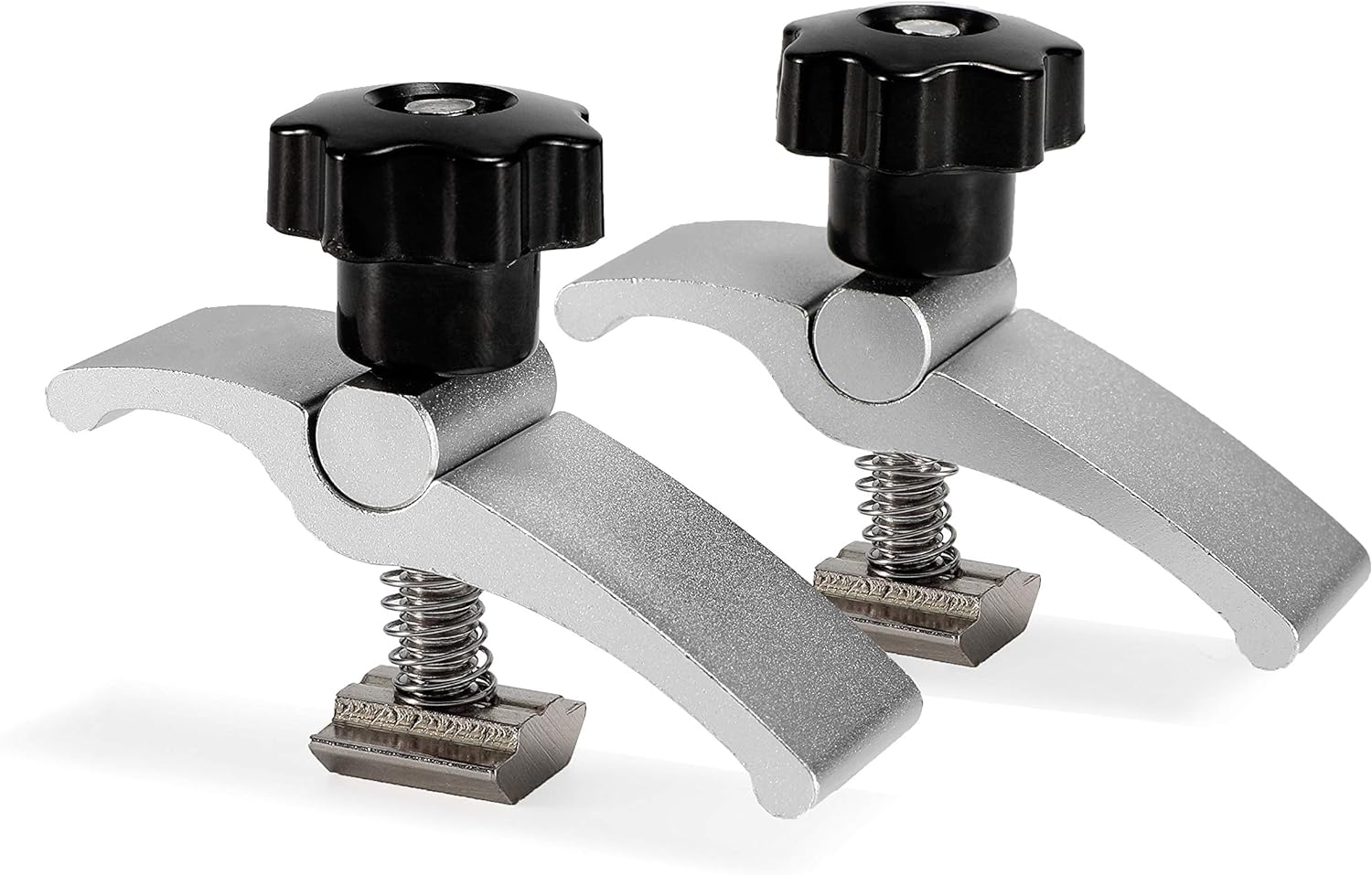
There are a variety of workholding devices available, each with its own advantages and disadvantages. Some of the most common workholding devices include:
- Vacuum chucks use suction to hold the workpiece in place. Vacuum chucks are quick and easy to use, and they are well-suited for holding small, delicate workpieces.
- C-clamps are simple and versatile workholding devices. C-clamps can be used to hold a wide variety of workpieces in place.
- Fixtures are custom-made workholding devices that are designed to hold a specific workpiece. Fixtures are the most accurate and repeatable workholding devices, but they can be expensive to make.
Toolholders
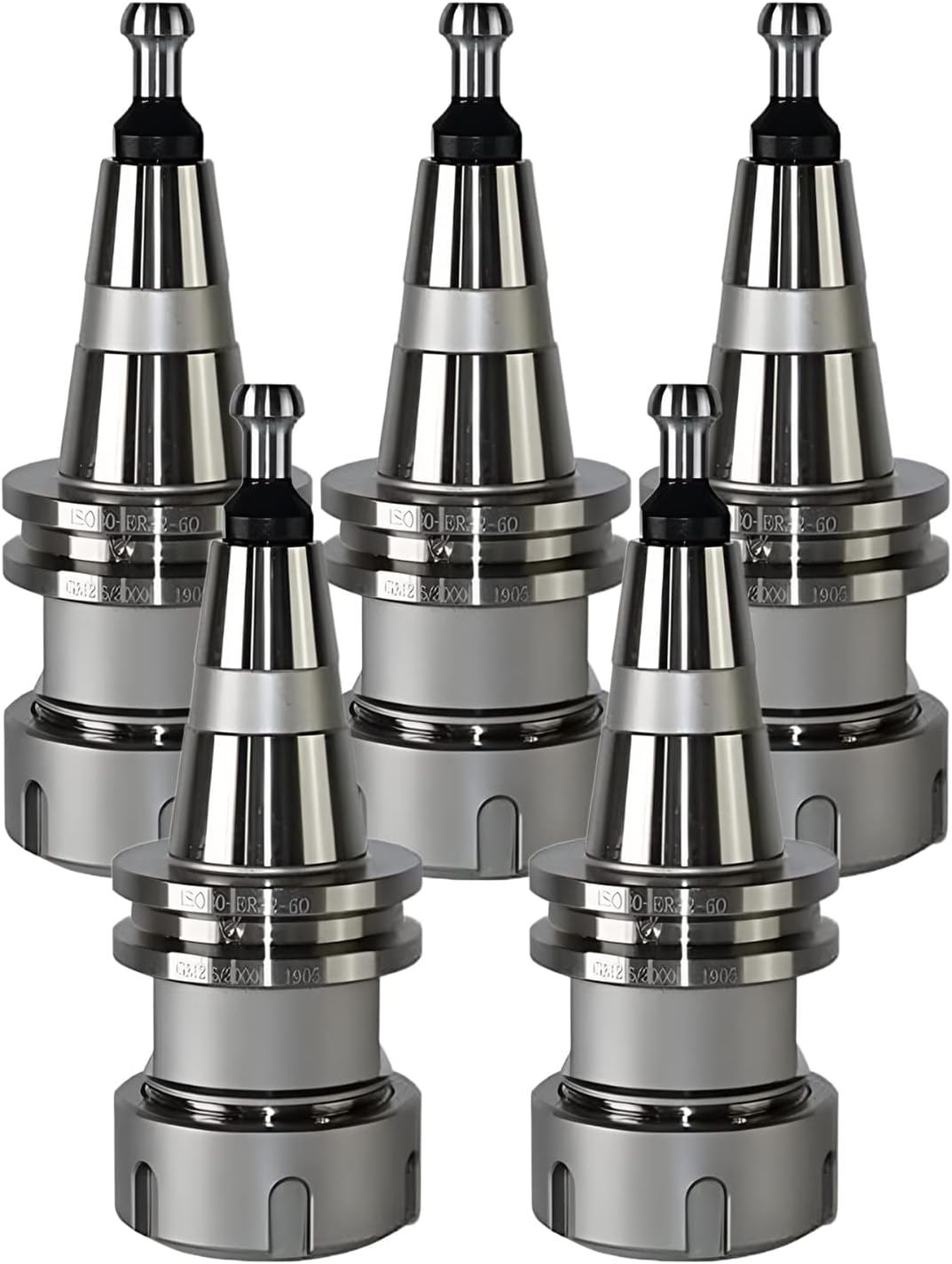
Toolholders are used to hold the cutting tool in place in the CNC machine. Toolholders are available in a variety of styles, each with its own advantages and disadvantages.
Some of the most common toolholder styles include:
- Shank toolholders are the most common type of toolholder. Shank toolholders are held in place by the machine spindle.
- Morse taper toolholders are held in place by a tapered hole in the machine spindle. Morse taper toolholders are more rigid than shank toolholders, but they are also more expensive. see Chester Machine Tools
- Quick-change toolholders allow the cutting tool to be changed quickly and easily. Quick-change toolholders are a good choice for CNC machines that are used for a variety of machining tasks.
Selecting the Right Tools and Accessories
The right tools and accessories will vary depending on the specific machining task. However, there are a few general tips that can help you select the right tools and accessories
- Consider the material of the workpiece. The type of material will determine the type of tool that is needed. For example, carbide tools are typically used for machining steel, while high-speed steel tools are typically used for machining aluminum. IQS Directory
- Material of the workpiece CNC tools
- Consider the size and shape of the workpiece. The size and shape of the workpiece will determine the size and type of workholding device that is needed. For example, a small, delicate workpiece may require a vacuum chuck, while a large, heavy workpiece may require a fixture.
- Consider the complexity of the machining task. The complexity of the machining task will determine the type of toolholder that is needed. For example, a simple machining task may only require a shank toolholder, while a complex machining task may require a quick-change toolholder.
- Consider the budget. The cost of tools and accessories can vary widely. It is important to consider the budget when selecting tools and accessories.
Conclusion
The selection of the right tools and accessories is essential for successful CNC machining. By following the tips in this article, you can select the right tools and accessories for your specific machining needs.
In addition to the tips listed above, there are a few other things to keep in mind when selecting tools and accessories for CNC machining. These include:
- The cutting speed of the tool. The cutting speed is the rate at which the tool removes material from the workpiece. The cutting speed must be matched to the type of material being machined and the type of tool being used.
- The feed rate of the tool. The feed rate is the rate at which the workpiece moves past the tool. The feed rate must also be matched to the type of material being machined and the type of tool being used.
- The depth of cut. The depth of cut is the amount of material that is removed from the workpiece with each pass of the tool. The depth of cut must be carefully controlled to avoid damaging the tool or the workpiece.
By following these tips, you can select the right tools and accessories for your CNC machining projects and ensure successful results. Remember to follow Agilemaking at social media as Instagram and Youtube.